Storm-Proofing Your Home: A 12-Point Checklist Before the Next Named Storm

There is a strange calm in the hour before a named storm arrives. The sky turns a flat grey, the birds go quiet, and the last people on the street are dragging wheelie bins back through front doors. By then, most of the useful work is either done or it isn't. Storm damage is rarely caused by wind alone. It is caused by the thing the wind picked up, the gutter that was already blocked, the fence panel that had been wobbling since March. Two hours of preparation on a dry afternoon is worth far more than a frantic hour with a torch once the gusts begin.
If you live on an exposed hill or near the coast, start outside. If you are in a flood-risk area, start with drains and paperwork. Either way, here is the version to work through.
- Clear gutters, downpipes and drains.
- Check the roofline from the ground.
- Secure or store garden furniture, parasols and trampolines.
- Bring in bins and anything else loose.
- Check fence posts, gates and shed doors.
- Deal with overhanging or dead branches.
- Move cars clear of trees and old walls.
- Charge phones, power banks and torches.
- Pack an emergency box.
- Check your insurance cover and save the claims number.
- Agree a plan with the household, pets included.
- Check on neighbours who might need a hand.
1. Start with water: gutters, downpipes and drains
Water does the quiet damage. An overflowing gutter runs down the wall, soaks into brickwork and finds its way behind render. In a storm, that overflow happens all at once, and it happens fast.
Work from the ground where you can. A gutter scoop on a pole, or a hose attachment, will clear most leaves without anyone climbing anything. Never lean out of an upstairs window to reach a gutter, and never go up a ladder in more than a light breeze. Falls, not flying debris, cause most storm-related injuries around the home. If you cannot reach a section safely, leave it and book someone who can.
Then check that the water actually goes somewhere. Pour a bucket down each downpipe and watch where it lands. It should run away from the house, not pool against the wall. Clear gullies and gratings of leaves, and if you have a soakaway or a light well, make sure it isn't already full before the rain starts.
2. Garden furniture, bins and anything else that flies
Trampolines are the classic offender. Even a modest one can clear a fence in a strong gust, so turn it upside down and weight it, or take it apart if it isn't anchored. Store furniture in a garage or shed, or stack it tight and strap it down.
Take down parasols, rotary washing lines, hanging baskets, bird feeders and anything mounted on a pole. Move pots against a wall or lie them on their sides. Bring bins indoors if you can; if they have to stay out, close the lids, lie them down and put something heavy on top. Empty or secure water butts too. Then stand at your back door and look at the garden with fresh eyes: what would you least want to be hit by at speed?
3. Fences, gates and sheds
Give each fence post a firm push. If the post moves, the panel is going, and a loose panel becomes a sail. Gates should latch properly — a gate that bangs all night can tear its hinges out of the post. On sheds, check that roof felt or covering isn't already lifting, that window catches hold, and that doors bolt top and bottom. If a shed is old and light, weigh the roof down with sandbags or, in a severe forecast, move anything you value indoors.
4. Roof tiles and chimneys: what you can check from the ground
You do not need to get on the roof. Stand back on the pavement or at the end of the garden with binoculars and look for slipped or missing tiles, ridge tiles sitting proud of the mortar, cracked flashing around a chimney, a leaning chimney pot, or an aerial that has started to list.
If you can get into the loft safely with a torch, daylight where it shouldn't be is a useful clue. Then ring a roofer before the storm, not after — afterwards they will be booked solid for weeks. Where damage involves gas or electrics, use a qualified engineer rather than a general handyman. And whatever the temptation, do not climb up there yourself.
5. Trees, branches and boundaries
Trees are the single biggest risk to property in high winds. Dead wood, branches caught in the canopy, and limbs rubbing against a roof or window all deserve attention before winter. If a branch is anywhere near overhead power lines, do not touch it — contact your electricity network operator and let them deal with it. Cutting large limbs is a job for a qualified tree surgeon with proper insurance.
Also worth a look: a neighbour's tree leaning over your drive or conservatory. A friendly word in October is much easier than a conversation after a branch has landed on a car. If you have had flooding before, check local flood warnings for your area and know how to turn off your water, gas and electricity at the mains — and if you are unsure how, ask a qualified engineer to show you.
6. Emergency supplies: light, power and water
Most storm power cuts last hours rather than days, but a few basics turn an uncomfortable evening into a manageable one. Keep them together in one box or bag you can find in the dark.
- Two torches and spare batteries — test them now, not during a blackout.
- Charged power banks and a car phone charger.
- A battery or wind-up radio, so you can follow warnings without draining your phone.
- Bottled water and food that needs no cooking.
- Any prescription medicines, a first aid kit and some cash, since card readers fail with the power.
- Waterproofs, warm layers and blankets.
- Insurance policy and key contacts, in a sealed plastic wallet or photographed on your phone.
- Emergency numbers: 999, 105 for power cuts, and the flood warning service for your nation.
If anyone in the household relies on electrical medical equipment, speak to their equipment supplier or GP in advance about what happens during a power cut. While you are at it, check what your buildings and contents policy actually covers for storm and flood damage, and save the claims number somewhere you can find it without wifi.
The last hour before it arrives
Once the storm is named, stop starting new jobs and start closing things down. Bring in anything loose. Park the car away from trees, old walls and overhead cables. Close and lock windows and external doors, draw curtains, and move valuables, documents and anything sentimental upstairs if flooding is possible. Charge everything, fill a couple of pans with water, and check on an older neighbour or anyone living alone.
Then stay in. The most dangerous part of any storm is the bit people decide to drive through, or the ten minutes they spend chasing a bin down the street. After the gusts pass, take a slow walk around the outside of the house and note anything that has moved, cracked or lifted — and photograph it before you touch it. That habit alone will make any future conversation with an insurer far simpler.
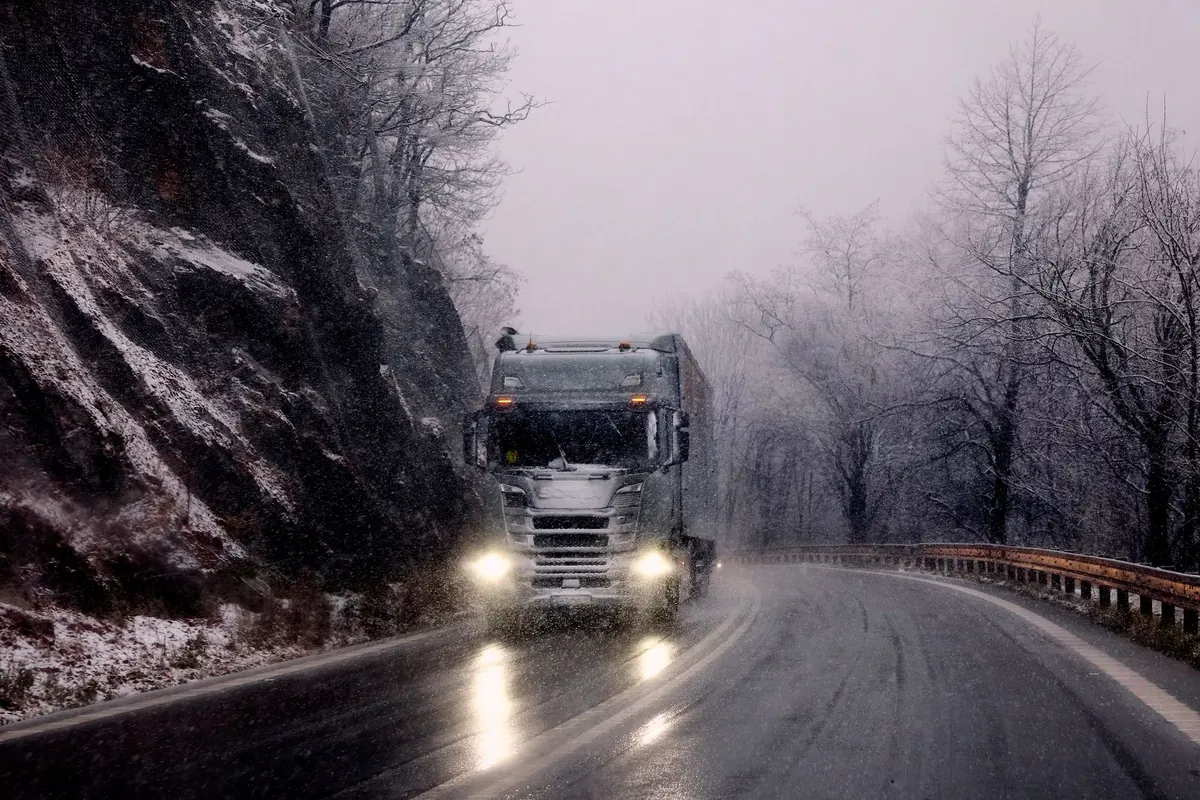
Photo: Bessi / Pixabay